Milano, IT

A perspective is a way to save oneself,
a vision is a way of life

Marco Braga

Interior design — Photography — Visual arts

Selected projects

Works

Space / form / experience
01

Unlock the city

Guesthouse for a research group
Unlock the city

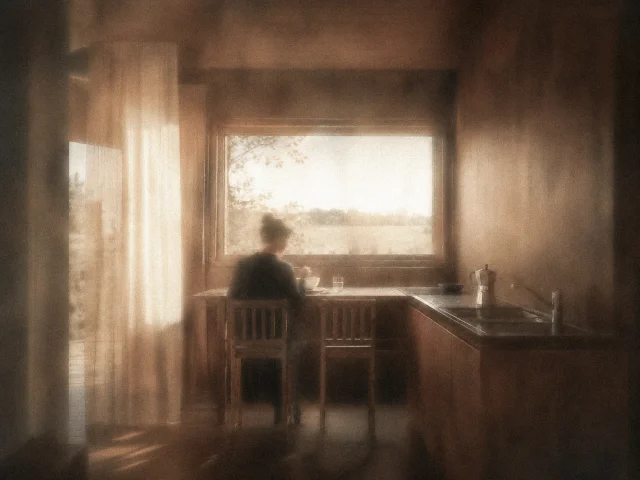
A timber shell and a soft interior. A guesthouse shaped by curtains, shared rituals and changing needs.

Year IMilano, Italy
04

Metamorphopsia

Concept for a temporary installation
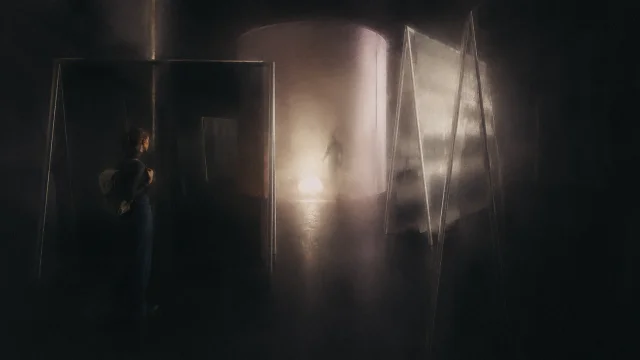
Metamorphopsia

Light, fabric and reflection turn an installation into an uncertain landscape of perception.

Year II
06

Officine del dialogo

Reactivation of a former slaughterhouse
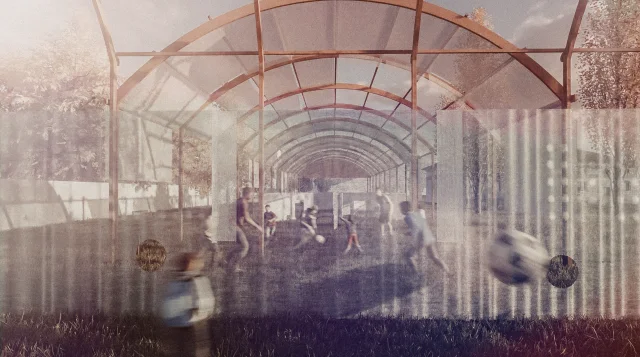
Officine del dialogo

An abandoned industrial site becomes a place for encounter, play and intercultural exchange.

Year IIIMonza, Italy
07

Oku

Minimal living in Japan

Oku

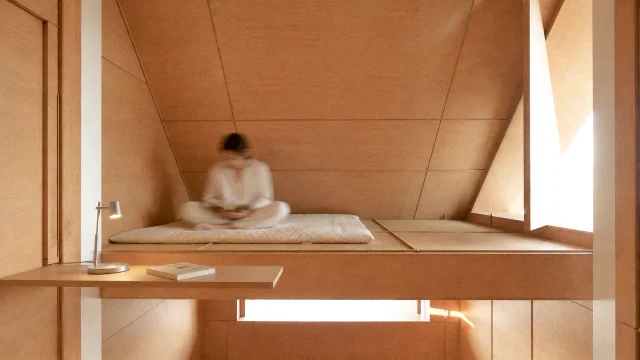
A compact dwelling that reveals itself through the gestures of everyday life.

2026Fukuoka, Japan
08

Yorogi Rooms

Cafeteria on the Naka River
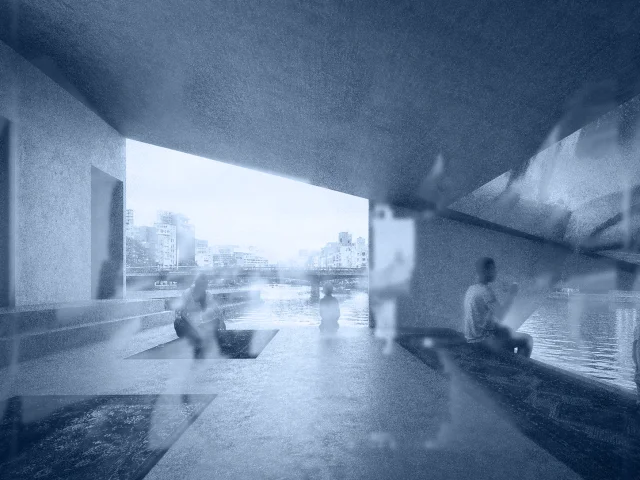
Yorogi Rooms

Move, pause, still. A café that turns a path along the river into a place beside the water.

2026Fukuoka, Japan
09

Ki no Ma

A house between trees

Ki no Ma

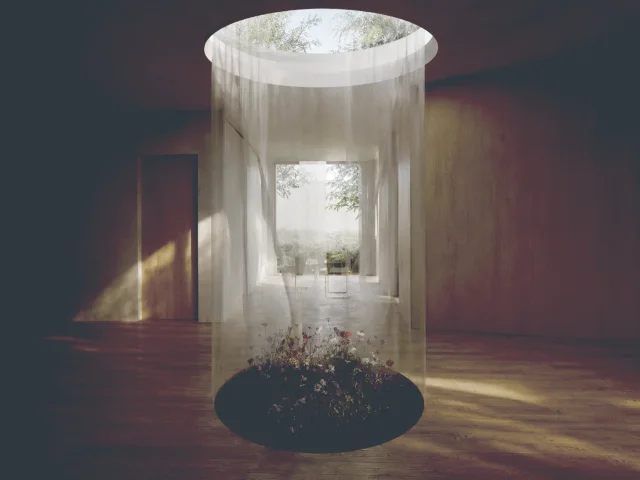
A house organized around a planted void, where light and movement connect domestic life to the park.

2026Fukuoka, Japan
Personal works

Archive

Photography / visual arts / sound
Photography

Photographic studies

Selected photographs
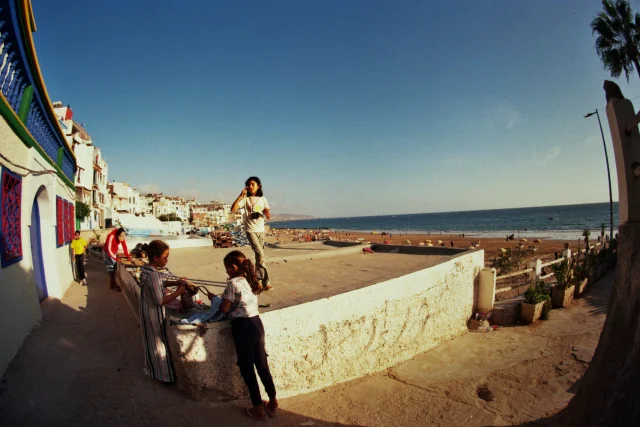
Photographic studies

Photography

Brothers

Brotherhood in animals

Brothers

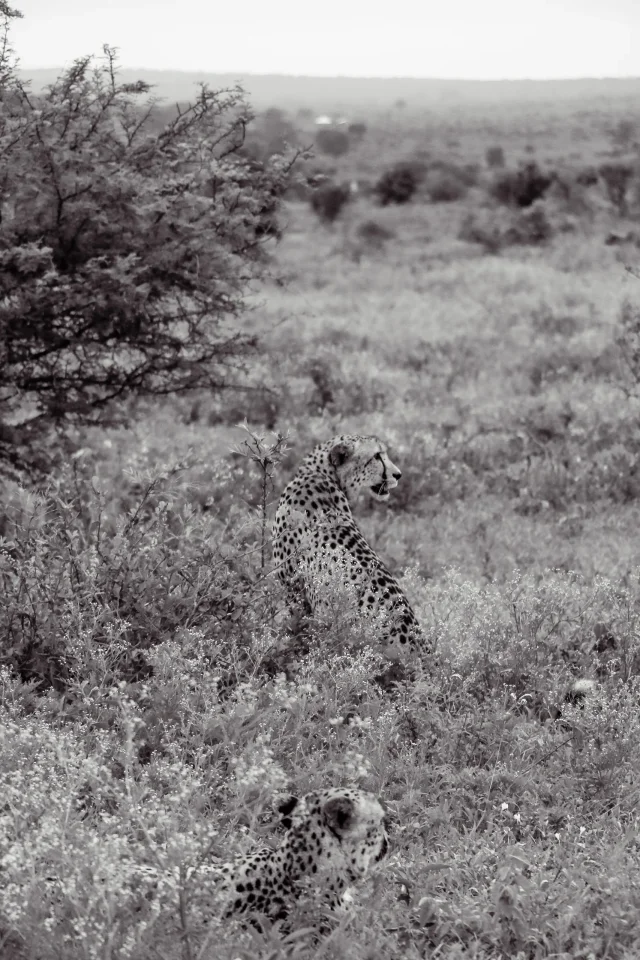
Series of images about brotherhood in animals.

Visual arts

Proof of nothing

Memory / AI-generated images
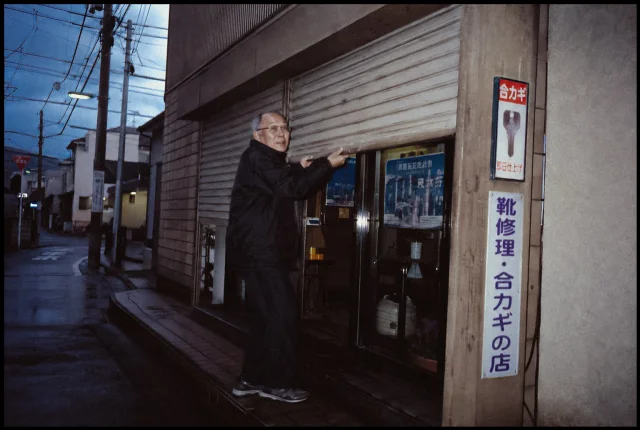
Proof of nothing

Series of AI-generated images questioning memory.

About

Profile

Marco Braga / Junior Interior Designer

Observing,
interpreting,
transforming.

Born in Brescia in 2004 and raised in the countryside. I approach design as a way to observe, interpret and transform the world around me.

My interests span spatial design, photography, digital visual art and sound. I study Interior Design at Politecnico di Milano. In 2026, I joined the Environmental Design department at Kyushu University in Fukuoka and Professor Masaaki Iwamoto’s studio as a research student.

Professional

Concept-driven
Visual sensitivity
Critical thinking
Initiative
Collaboration
Reliability
Organization

Technical

Adobe Creative Suite
Rhinoceros 3D / Archicad
Revit / AutoCAD
Twinmotion / AI Prompting

Languages

Italian — Native
English — Fluent / IELTS Academic C1
Japanese — Basic

Education & experience

Record

Education

2026

Exchange Program
Environmental Design
Kyushu University, Fukuoka

+ Ando Prize

2023 — now

Interior Design / Bachelor’s Degree
Politecnico di Milano

+ Best First-Year Student Award, 2023

2018 — 2023

Scientific High School
Francesco Gonzaga Institute
Castiglione delle Stiviere

Experience

2026

Research student
Professor Masaaki Iwamoto’s studio
Fukuoka, Japan

2024

Personal exhibition / Visual arts
Carpenedolo, Italy

2022

Internship / Fenaroli Photographic Studio
Montichiari, Italy

Get in touch / Milano, Italy

Contact

Scroll / drag to exploreSwipe to explore
Interior designMetamorphopsia
04 / Interior design

Metamorphopsia

Concept for a temporary installation

Year II

Light, fabric and reflection turn an installation into an uncertain landscape of perception.

Metamorphopsia, from the Greek “vision of distorted forms,” refers to a condition where straight lines appear wavy or fragmented, altering perception. This notion of distortion was used as the conceptual foundation of the project, both as a metaphor for unstable human perception and as a reflection on the fragmented condition of contemporary life. The installation translated this idea into space through a sequence of ambiguous thresholds, semi-transparent fabrics, and diffused light that guided visitors along uncertain paths. The experience culminated in a luminous cylinder, invisible from outside, where light and reflections produced shifting colors and mirrored fragments, immersing the visitor in a disorienting atmosphere that questioned the reliability of reality itself.

The project was communicated through a book designed not only as documentation but as a continuation of the installation’s experiential qualities. Great attention was given to materiality: metal foils and reflective surfaces were included to reproduce the sensation of distortion, while fabrics echoed the spatial qualities of the temporary installation. The book also retraced the entire design process, from early sketches to conceptual diagrams and intermediate tests, making visible the progressive steps that led to the final vision. By combining graphic content with physical, tactile elements, the book itself became a sensory object.

We analysed different case studies dealing with the theme of distortion, ranging from architecture, photography, music and film in order to better understand how we wanted to deal with the topic.

The model could be read not only as a design tool but also as a potential theatrical scenography, where the installation functions as a stage set. This interpretation required considering a backdrop, conceived as a spatial and perceptual boundary, reinforcing the immersive and dramatic dimension of the work.

The physical model offered a parallel means of exploration, focused on testing spatial qualities through a careful study of textiles and metallic materials consistent with those envisioned in the installation. This research ensured coherence between concept and representation, while also highlighting the performative dimension of the project.

Metamorphopsia — Installation visualization
Installation visualization
Metamorphopsia — Material study / book
Material study / book
Metamorphopsia — Material study / book
Material study / book
Metamorphopsia — Material study / book
Material study / book
Metamorphopsia — Material study / book
Material study / book
Metamorphopsia — Material study / book
Material study / book
Metamorphopsia — Physical model
Physical model
Metamorphopsia — Physical model
Physical model
Metamorphopsia — Physical model
Physical model
Metamorphopsia — Physical model
Physical model
Metamorphopsia — Physical model
Physical model
Metamorphopsia — Physical model
Physical model
Scroll to explore